Many organisations invest in risk management tools expecting to improve control. What they often gain instead is another isolated system. Risk is tracked. But governance and compliance remain disconnected. This is where the distinction between risk management software and a GRC platform becomes critical.
What Risk Management Software Does
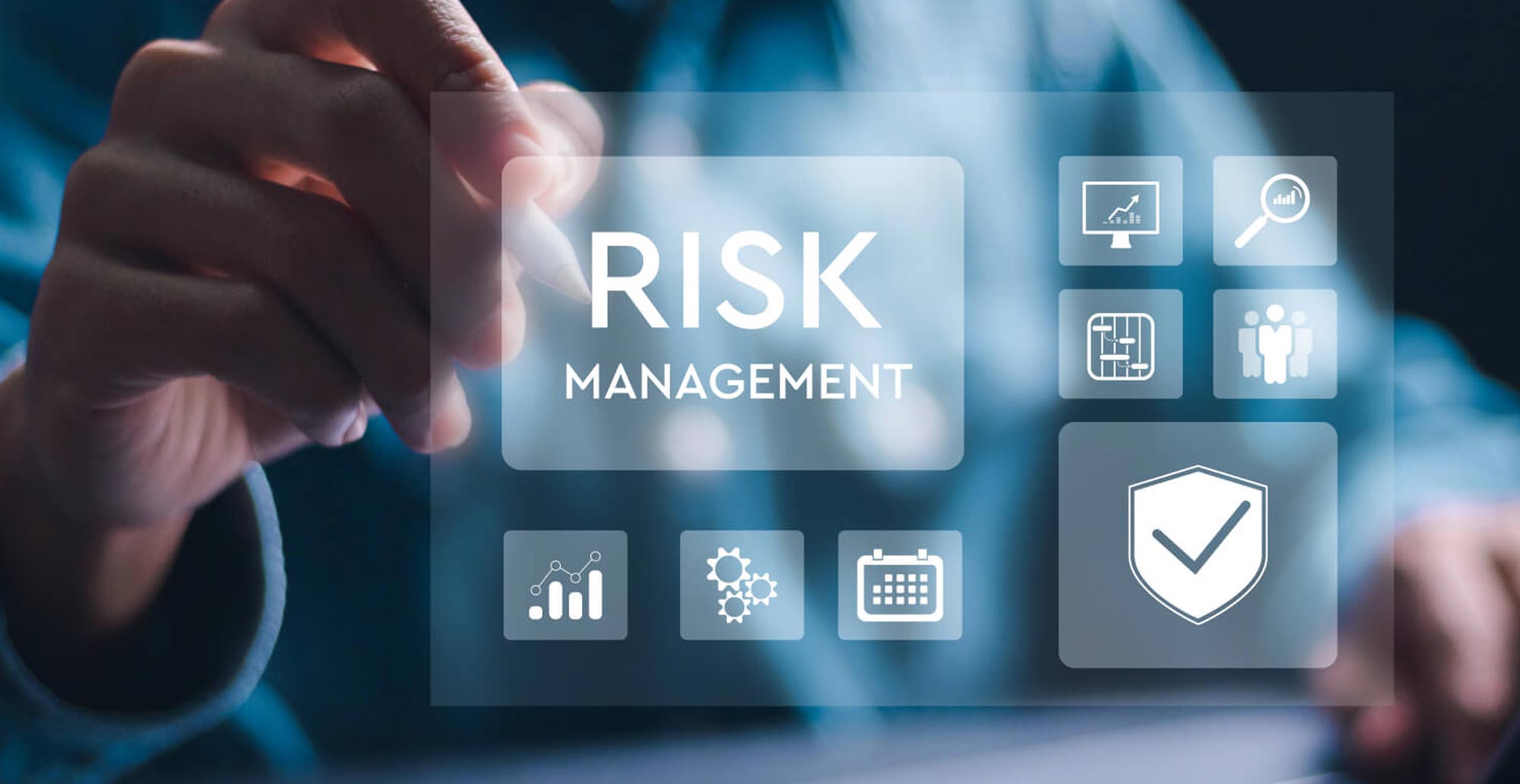
Risk management software focuses on capturing risks, assessing likelihood and impact, and tracking mitigation actions. It is typically limited to operational risk tracking. It does not address governance structures or compliance requirements.
What a GRC Platform Does
A GRC platform integrates governance (policies, controls, oversight), risk management, and compliance (regulatory and standards-based). It provides a unified system where all three are managed together.
Where Organisations Experience Challenges
When risk tools are used in isolation, organisations encounter data silos across departments, duplicate processes, inconsistent reporting, and limited auditability. The result is fragmented governance.
When Organisations Use Risk Management Software
Risk tools are typically used when risk management is still developing, requirements are limited to operational tracking, and compliance demands are low.
When Organisations Require a GRC Platform
A GRC platform becomes necessary when multiple regulations must be managed, risk must align with governance structures, auditability and reporting are critical, and operations span multiple entities or regions.
Alignment to Standards and Compliance
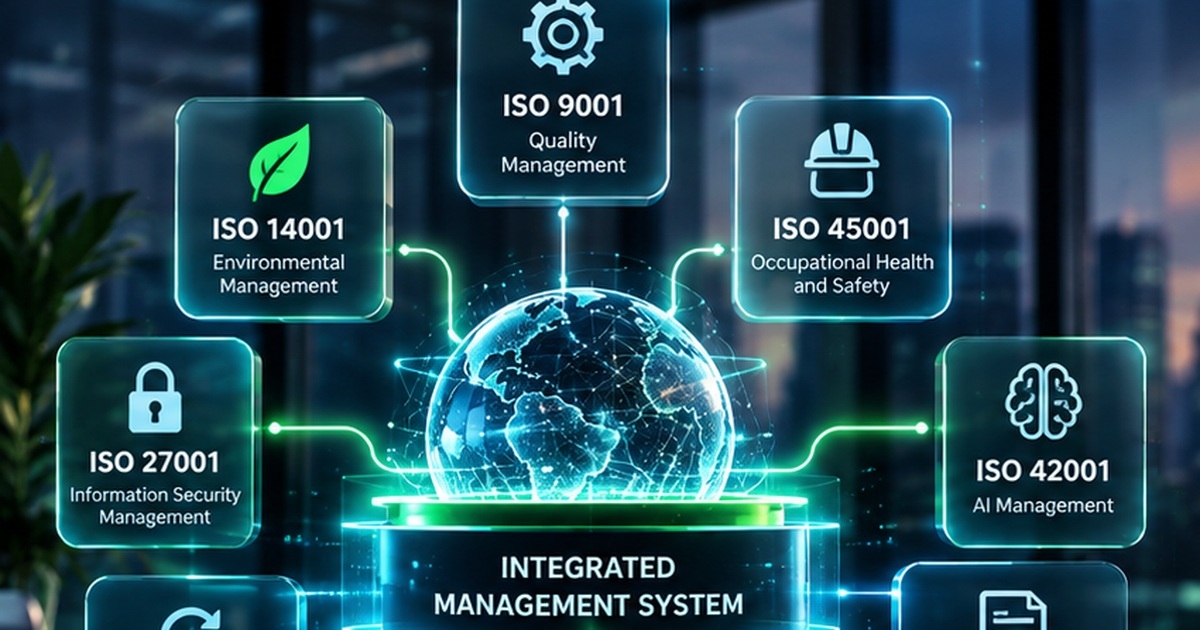
GRC platforms support alignment to recognised frameworks and standards, including ISO 31000 (Risk Management) and COSO (Enterprise Risk and Internal Control). This alignment is essential for credibility, compliance, and reporting.
How XGRC® Software Delivers Integrated GRC
XGRC® Software is designed as a single data foundation across governance, risk, and compliance. It connects specialised solutions including MSX®, SHEQX®, and MSXCyber®. This ensures consistent data across functions, real-time visibility, full auditability, and scalable governance. The integrated GRC software overview shows how these solutions share one data foundation, and enterprise risk management software covers the risk pillar in depth.
Risk management software solves a single problem. GRC platforms address the broader challenge of governance, risk, and compliance at scale. XGRC® Software enables organisations to move beyond isolated tools and establish a unified, controlled, and auditable environment.