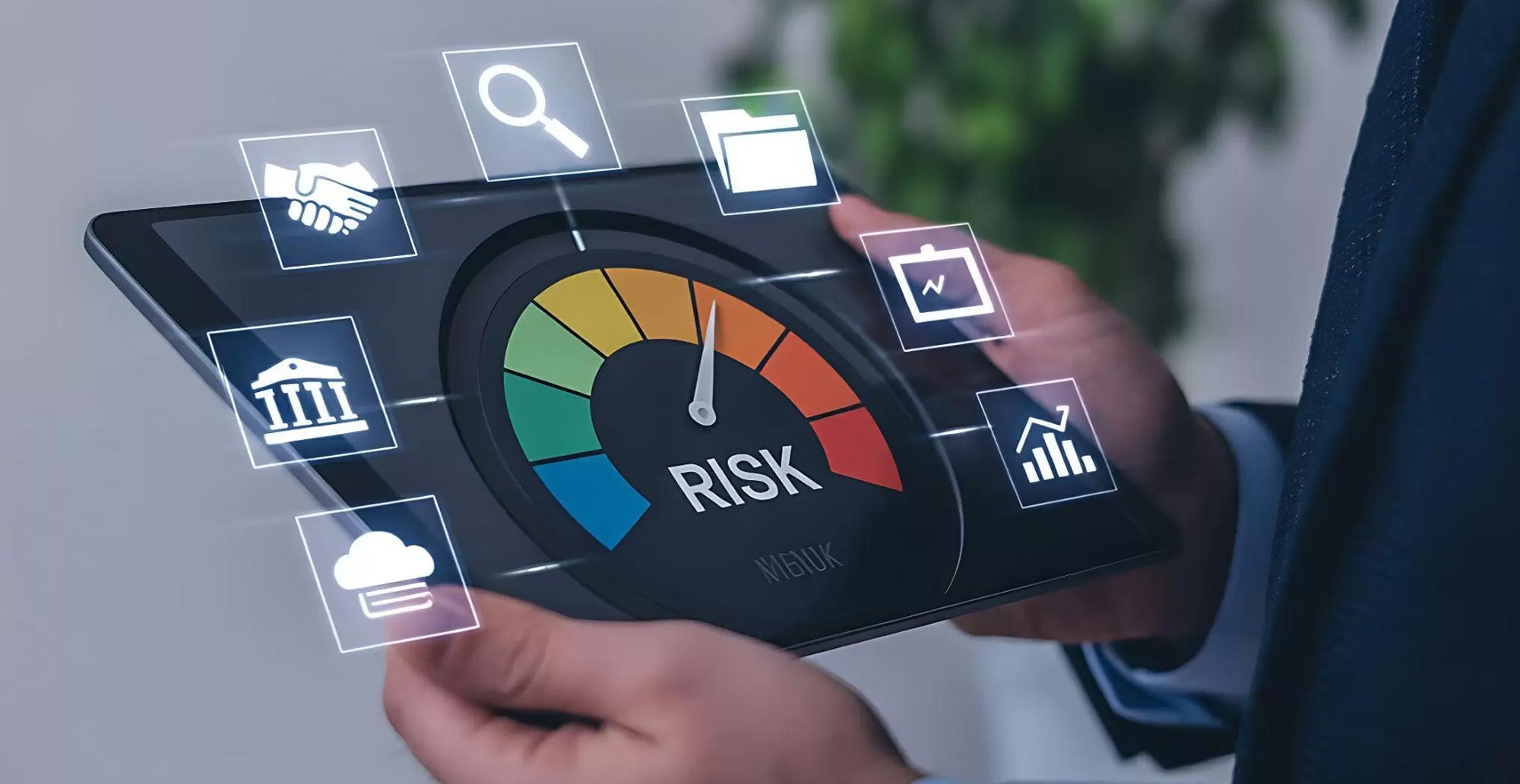
Organisations do not lack risk data. They lack control over how that data is captured, managed, and reported. Spreadsheets, emails, and manual processes create the appearance of control. In reality, they introduce risk.
What Traditional Risk Tools Look Like
Traditional risk tools include Excel-based risk registers, email-driven updates, and static reports. These tools are familiar. But they are not designed for governance.
Where Traditional Tools Fail
As organisations grow, these tools introduce version control issues, delayed updates, inconsistent data, and limited audit trails. Risk information becomes fragmented and unreliable.
What ERM Software Provides
Enterprise Risk Management (ERM) software provides a centralised system to manage risk across the organisation. It enables real-time risk visibility, structured workflows, automated reporting, and alignment to ISO 31000 and COSO.
When Organisations Move to ERM Software
Typical triggers include multi-site operations, increasing regulatory requirements, growing audit demands, and lack of consolidated reporting.
The Governance Gap
The challenge is not replacing spreadsheets. It is establishing a governed, auditable system where risk data is consistent and accessible.
How XGRC® Software Enables Enterprise Risk Management
XGRC® Software replaces fragmented tools with a single, auditable data foundation. Through XGRC® ERM software, connected to MSX® for integrated management systems, organisations can centralise risk data across the enterprise, automate risk processes, maintain full audit trails, and align with ISO 31000 and COSO. This ensures risk is not only tracked but governed.
Spreadsheets are not a risk management solution. They are a limitation. ERM software enables organisations to move from manual tracking to structured, auditable, and scalable risk management. XGRC® Software provides the foundation to make that transition possible.