AI Is Creating a New Assurance Challenge
Artificial intelligence is rapidly becoming part of everyday business. Organisations are using AI to automate processes, analyse information, support decision-making, improve productivity and introduce new digital capabilities. As adoption grows, organisations are also developing policies, controls, risk assessments and governance structures to manage how AI is used.
But establishing AI governance is only part of the challenge. Leadership also needs to know whether those governance mechanisms are working. An organisation may have an AI policy, cybersecurity controls, acceptable-use requirements and assigned responsibilities. Without effective assurance, it can still be difficult to determine whether those requirements are being consistently applied across the organisation.
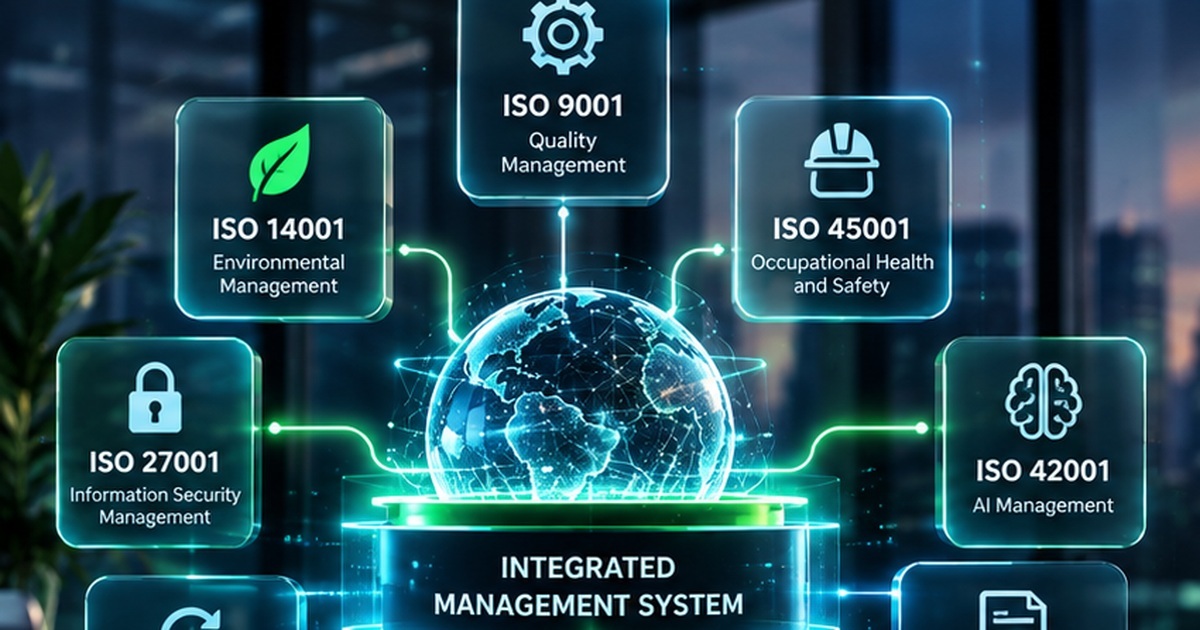
This is where integrated assurance becomes increasingly important. By connecting risk, compliance, internal audit, controls and other assurance activities, organisations can develop a clearer view of whether AI is operating within the boundaries they have established.
What Is Integrated Assurance?
Integrated assurance is a coordinated approach to assurance activities across an organisation. Rather than different functions independently assessing risks and controls, it creates greater alignment between the people responsible for governance, risk, compliance, oversight and assurance. Depending on the organisation, assurance may involve:
- Management
- Risk functions
- Compliance teams
- Information security
- SHEQ
- Internal audit
- External assurance providers
- Other specialist functions
Each may have a different responsibility, but they often need visibility over the same organisational risks and controls. Integrated assurance helps connect these activities. The objective is not to make every assurance provider perform the same role, which is also why integrated assurance and internal audit software are not interchangeable. It is to create greater coordination, visibility and confidence across the organisation.
AI Risk Does Not Belong to One Department
One of the difficulties with AI governance is that AI-related risks can extend across traditional organisational boundaries. Consider an employee using an AI platform to process organisational information. Information security may be concerned about data exposure, while compliance may need to consider legal or regulatory obligations. Risk management may need to assess operational or reputational consequences, management may need to determine whether the AI application is appropriate for the business process, and internal audit may eventually need to assess whether the organisation's AI controls are operating effectively.
These are different responsibilities, but they are connected to the same risk environment. If every function manages its part independently, leadership may receive several fragmented views of the same issue. Integrated assurance helps organisations connect these perspectives.
AI Guardrails Need Assurance
Organisations are increasingly establishing AI guardrails to define the boundaries within which artificial intelligence may be used. These could include requirements relating to:
- Approved AI applications
- Acceptable use
- Information handling
- Access permissions
- Human oversight
- Risk assessment
- Third-party AI providers
- Monitoring
- Escalation
- Recordkeeping
Establishing these controls is an important step, whether they govern how employees use AI tools or how AI agents access systems and credentials. But a control existing on paper does not necessarily mean that it is operating effectively. For example, an organisation may have a policy stating that confidential information cannot be entered into an unapproved public AI platform.
An assurance process needs to go further. It should help the organisation understand whether the requirement has been communicated, whether appropriate controls exist, whether responsibilities have been assigned, whether compliance can be demonstrated, and whether exceptions or incidents are being appropriately managed. The distinction is important: designing the guardrail is governance, while testing whether the guardrail works is assurance.
From AI Policy to Assurance
Effective AI governance should create a clear connection between organisational expectations and evidence. A useful way to think about this is as a chain running from policy to risk, control, owner, evidence, audit, finding, action and, finally, assurance. Each part of the chain supports the next.
A policy establishes an expectation. A risk assessment identifies what could prevent that expectation from being achieved, and controls are introduced to manage those risks. Responsibility is assigned to specific people, and evidence demonstrates whether required activities have occurred. Audits or other assurance activities evaluate the effectiveness of the environment, findings identify weaknesses, and corrective actions address them. Assurance then gives leadership greater confidence in the overall governance environment. When these activities are disconnected, establishing a reliable picture of AI governance becomes more difficult. Tools built for AI governance help define the policy, risk and control end of this chain, while assurance tests whether it holds.
Internal Audit Has an Important Role
As AI becomes more deeply integrated into business processes, internal audit will increasingly encounter AI as part of the organisation's risk environment. Internal auditors do not necessarily need to become AI developers. They do, however, need sufficient visibility to evaluate whether AI-related governance and controls are appropriate for the organisation's risk exposure. Questions for internal audit may include:
- Where is AI currently being used?
- Are significant AI use cases identified?
- Who is accountable for those use cases?
- Have relevant risks been assessed?
- What controls have been established?
- Are employees following AI policies?
- Is sensitive information appropriately protected?
- Is human oversight maintained where required?
- Are third-party AI risks being considered?
- Can the organisation demonstrate that controls are operating?
- Are incidents and exceptions recorded?
- Are corrective actions being completed?
These questions move the AI conversation beyond adoption. They focus on governance effectiveness.
Avoiding Assurance Silos
Organisations often have multiple functions providing assurance over different areas of the business. Without coordination, this can result in duplication. Several teams may assess similar controls, the same business function may receive repeated requests for evidence, different assurance providers may record findings in separate systems, and management may receive multiple reports that describe related risks differently. At the same time, important areas may receive limited assurance because each function assumes another team is responsible.
AI could make this challenge more significant because it intersects with so many existing risk areas. A coordinated integrated assurance approach helps organisations understand:
- Which risks require assurance
- Which controls are being assessed
- Who is providing assurance
- When assurance activities are occurring
- What evidence is available
- Where findings exist
- Which corrective actions remain outstanding
- Where assurance gaps may remain
Connected Information Strengthens Assurance
Effective assurance depends on reliable information. When policies, risks, controls, audits, findings, actions and evidence are maintained across separate spreadsheets, emails, documents and systems, understanding the complete governance picture can become difficult. This is particularly challenging when leadership needs answers quickly, for example about which AI risks currently have inadequate controls, which AI-related controls have been audited, what findings remain unresolved, who owns the corrective actions and where assurance coverage is limited. Answering these questions becomes easier when governance and assurance information is connected, with centralised information and clear ownership replacing disconnected spreadsheets and isolated systems.
Evidence Is Becoming Increasingly Important
AI governance cannot rely entirely on statements of intent. Organisations increasingly need to be able to demonstrate how governance operates in practice, and that means maintaining appropriate evidence. Depending on the process, evidence could relate to:
- Risk assessments
- Control reviews
- Approvals
- Policy acknowledgement
- Training
- Audit activities
- Monitoring
- Incidents
- Exceptions
- Corrective actions
- Management reviews
Evidence strengthens traceability. It helps organisations move from saying "We have an AI governance process" to being able to say "We can demonstrate how that process is operating." That distinction is fundamental to meaningful assurance.
Integrated Assurance Supports Better Leadership Visibility
Boards and executive teams do not need every operational detail surrounding every AI application. They do need meaningful information about whether material risks are being appropriately managed. Integrated assurance can help leadership understand:
- Significant AI-related risks
- Key control effectiveness
- Areas receiving assurance
- Material findings
- Outstanding corrective actions
- Emerging governance concerns
- Assurance gaps
This provides a more consolidated view than receiving disconnected information from individual departments. Greater visibility also supports better decision-making, helping leadership identify where additional attention or resources may be required and where governance structures need to improve.
How Integrated Assurance by XGRC® Supports Connected Assurance
Integrated assurance requires more than collecting individual audit reports. Organisations need to understand the relationship between risk, controls, assurance activities, findings, actions and evidence. Integrated Assurance by XGRC® Software supports organisations in creating a connected view of assurance activities within the broader XGRC® Governance, Risk and Compliance Platform, linking internal audit and combined assurance to risks, controls and corrective actions. By bringing governance and assurance information together, organisations can strengthen visibility across assurance providers while maintaining clear accountability for individual activities. This can help organisations:
- Coordinate assurance activities
- Connect risks and controls
- Improve assurance visibility
- Reduce unnecessary duplication
- Identify assurance gaps
- Centralise findings
- Track corrective actions
- Maintain supporting evidence
- Strengthen accountability
- Support executive reporting
As AI becomes part of organisational governance, this connected approach becomes increasingly valuable. Instead of creating a separate assurance structure exclusively for AI, organisations can incorporate AI-related risks and controls into their broader assurance environment.
The Age of AI Requires Connected Assurance
Artificial intelligence will continue to change how organisations operate. New applications will emerge, new risks will develop, new controls will be introduced and governance expectations will continue to evolve. The organisations best positioned to manage this environment will not simply be those with the most policies or controls. They will be those that can understand whether those controls are working.
Integrated assurance creates the connection between governance expectations and governance confidence. It brings together risk, controls, compliance, internal audit, evidence, findings and corrective actions to create greater organisational visibility. In the age of AI, that visibility matters, because responsible AI is not only about establishing guardrails. It is about being able to demonstrate that those guardrails work.
Speak to an XGRC® specialist to discover how Integrated Assurance can help your organisation strengthen oversight, accountability and governance confidence in an increasingly AI-enabled environment. Contact us or book a demo.