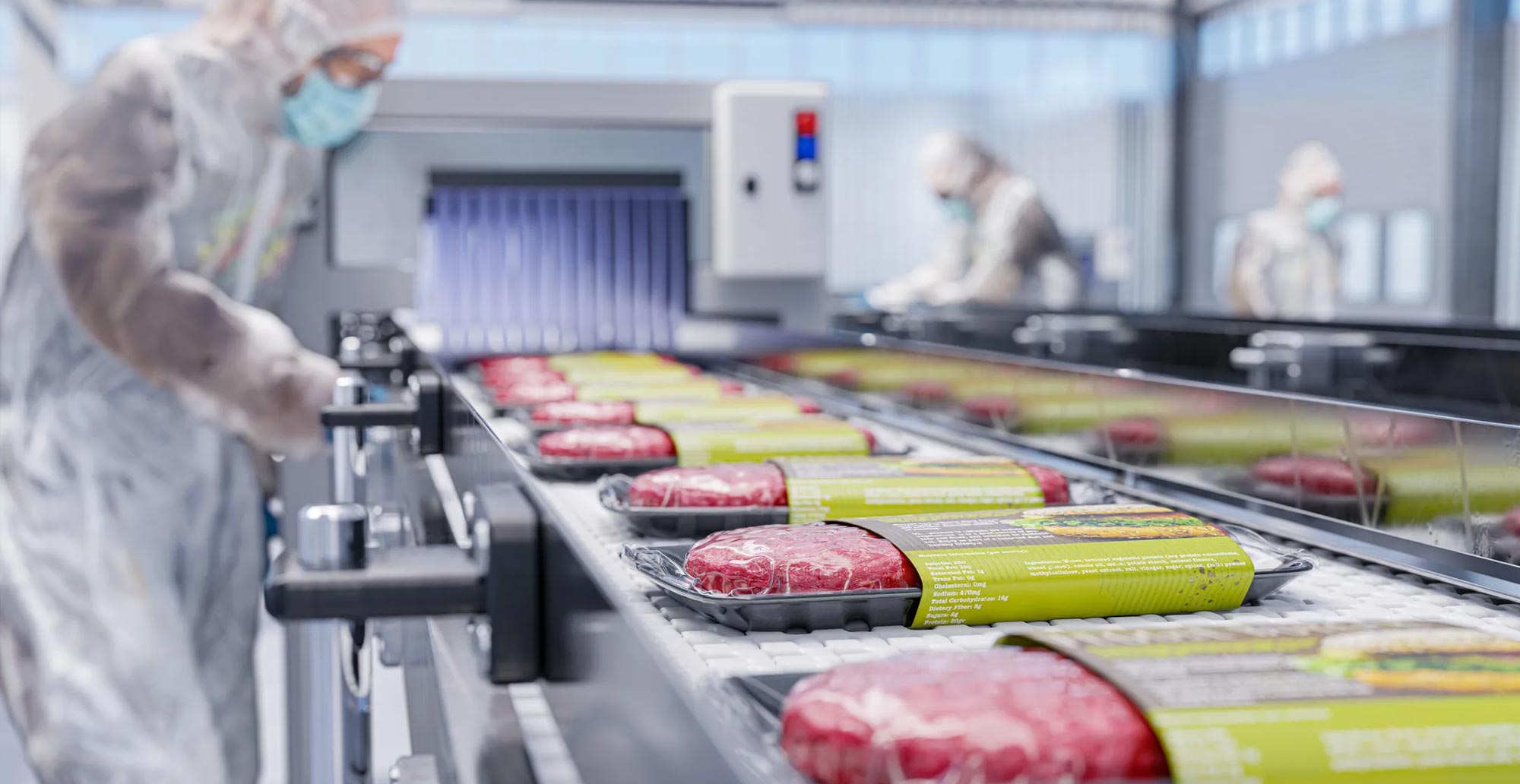
Food manufacturers operate in an environment where hazard control, traceability, and documented assurance are fundamental to commercial survival. Frameworks such as HACCP and ISO 22000 provide structured guidance, yet organisations are increasingly required to prove that these systems function consistently across sites and over time. Today, compliance is not measured by the existence of procedures. It is measured by visibility, accountability, and verifiable execution. To meet rising regulatory, retailer, and stakeholder expectations, HACCP and ISO 22000 management systems must evolve from static documentation into integrated digital governance.
Rising Expectations Around HACCP and ISO 22000
Several structural pressures are reshaping food safety oversight: increasingly complex global supply chains, stricter retailer verification requirements, heightened recall exposure and public scrutiny, executive demand for measurable risk assurance, and the need for rapid, defensible traceability. Auditors and stakeholders expect organisations to demonstrate that hazards are formally assessed, Critical Control Points (CCPs) are actively monitored, deviations are escalated and managed, Corrective and Preventive Actions (CAPA) are closed effectively, and continuous improvement is embedded. Manual systems make this level of assurance difficult to sustain.
Common Gaps in HACCP and ISO 22000 Implementation
Even certified environments encounter operational friction when governance is fragmented. HACCP plans, ISO 22000 records, SOPs, and audit files are often stored across multiple repositories. CCP data may be captured, but trending, escalation, and performance visibility are delayed. Corrective actions lack structured ownership and closure verification. Operational risk controls are not formally linked to staff capability oversight. Leadership lacks real-time insight into whether controls are functioning effectively.
What Effective Digital Food Safety Governance Looks Like
High-performing organisations embed HACCP and ISO 22000 into daily operations through structured digital oversight. Core capabilities include centralised document and policy control, formal linkage between hazards, risks, and controls, live CCP and prerequisite programme monitoring, automated deviation escalation workflows, structured CAPA accountability, and real-time dashboards for ISO 22000 performance oversight. This approach transforms food safety compliance into measurable operational intelligence.
From Compliance to Enterprise Risk Intelligence
When HACCP compliance software and ISO 22000 management systems are digitised, organisations gain consolidated compliance visibility across facilities, early identification of recurring weaknesses, prioritisation of high-risk operational areas, defensible audit trails, board-ready performance reporting, and reduced reliance on manual consolidation. Rather than reacting to non-conformances, leadership can proactively manage food safety risk.
How XGRC® Strengthens HACCP and ISO 22000
XGRC® provides a unified Governance, Risk, and Compliance platform designed to enhance HACCP compliance and ISO 22000 management system performance. By integrating hazards, controls, incidents, training, and CAPA workflows within a single framework, XGRC® enables organisations to maintain structured and current HACCP documentation, monitor ISO 22000 controls in real time, enforce accountability across all levels, generate defensible compliance evidence, and align food safety governance with enterprise risk strategy.