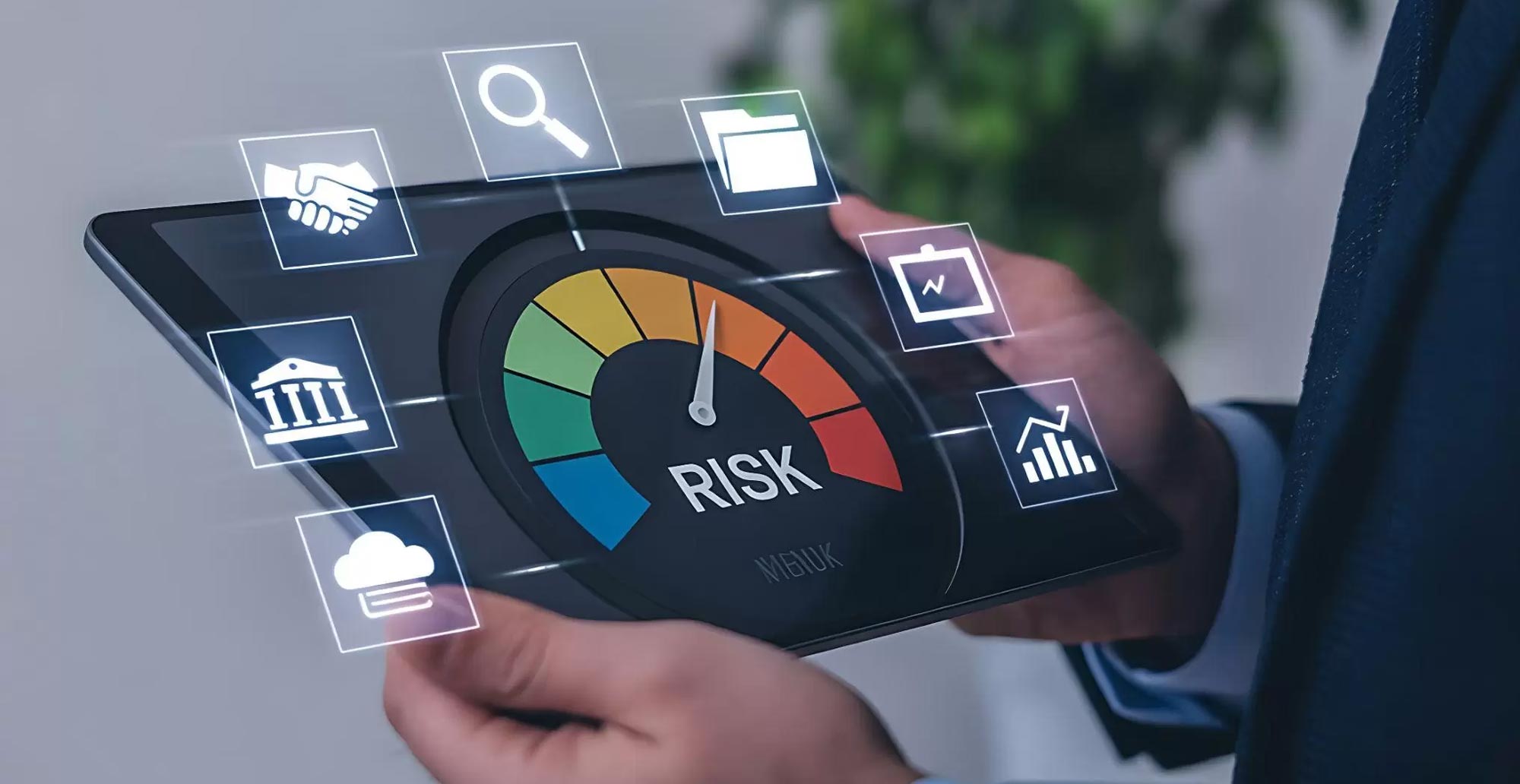

Cultivating a Risk Aware Culture: Tackling the People Risk in Enterprise Risk Management

Summary
Risk frameworks, registers and tools are essential, but they do not manage risk on their own. People do. A strong risk culture shapes every decision, every conversation and every outcome. This article explores how to build a healthier risk culture and why it is a core part of enterprise resilience.
Why Risk Culture Matters
Controls and frameworks provide structure, but people determine how risk is understood and acted on. Risk culture becomes visible in how staff speak up, how they respond to uncertainty and how they handle issues.
Signs of a Weak Risk Culture
Issues are kept quiet rather than raised early. Policies become box ticking exercises. Near misses are ignored, and mistakes are hidden out of fear. Formal processes may exist, but they do not shape day to day behaviour.
Building a Stronger Culture
1. Leadership Example
Executives who talk openly about risk, admit uncertainties and respond constructively to bad news set the tone. This creates space for honest conversations throughout the organisation.
2. Clear Expectations
Staff should understand what risk appetite means in practice. They need clarity on what level of risk is acceptable and when to stop and ask for guidance.
3. Simple Channels for Escalation
People need safe, simple ways to raise concerns. This can include line managers, risk teams, hotlines or digital tools.
4. Training and Communication
Practical communication and training tied to real incidents and audit findings help bring risk concepts to life.
5. Aligning Incentives
Performance measures and recognition should support responsible behaviour, not shortcuts.
Supporting Culture With Systems
Risk systems such as ERM and Integrated Assurance within XGRC® Software help reinforce healthy behaviours. They make it easy to log incidents, near misses and concerns. Workflows guide assessments and approvals. Dashboards show staff that their input leads to action and learning.
Conclusion
Culture is not soft work. It is a direct investment in resilience. A strong risk culture reduces surprises, improves responses when issues arise and strengthens trust with stakeholders.
How would you describe the risk culture in your organisation today?