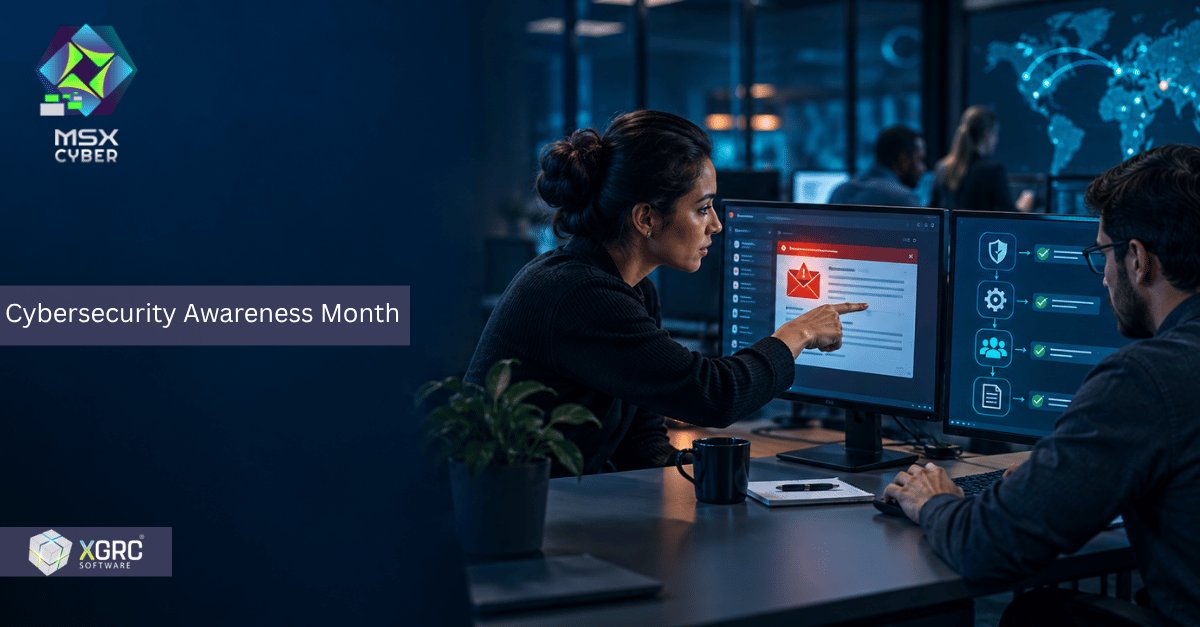
Cyber incidents are often framed as technical failures, yet many originate from people, processes, or vendor weaknesses. The hidden costs for leadership reach far beyond the initial technical response. Understanding these impacts helps CEOs strengthen resilience.
What CEOs Often Overlook
Downtime: systems require investigation and restoration, halting operations. Loss of trust: customers and partners question the organisation's ability to protect data. Regulatory consequences: POPIA investigations, notifications, and legal demands strain resources. Staff disruption: teams shift to recovery work instead of business delivery. Vendor exposure: many breaches originate from poorly secured suppliers.
Root Causes of Many Breaches
Human error and social engineering. Weak incident readiness and testing. Fragmented processes and unclear responsibilities. Inconsistent access controls. Insufficient vendor assessment and monitoring.
Where CEOs Should Focus Effort
Build a cyber aware culture: training and simulations reduce human-driven incidents. Strengthen processes: controls, workflows, and reporting structures are essential. Assess and monitor vendors: supply chain breaches are becoming more common. Improve incident readiness: preparedness reduces impact and recovery time. Integrate cyber into enterprise risk: cyber must align with governance structures.
Cyber risk is a business risk. Leaders who understand the hidden people, process, and vendor costs are better positioned to protect reputation, continuity, and long-term value. Dedicated IT risk management software gives them one governed view of cyber risks, controls, incidents and audit evidence, instead of piecing it together after an incident.