
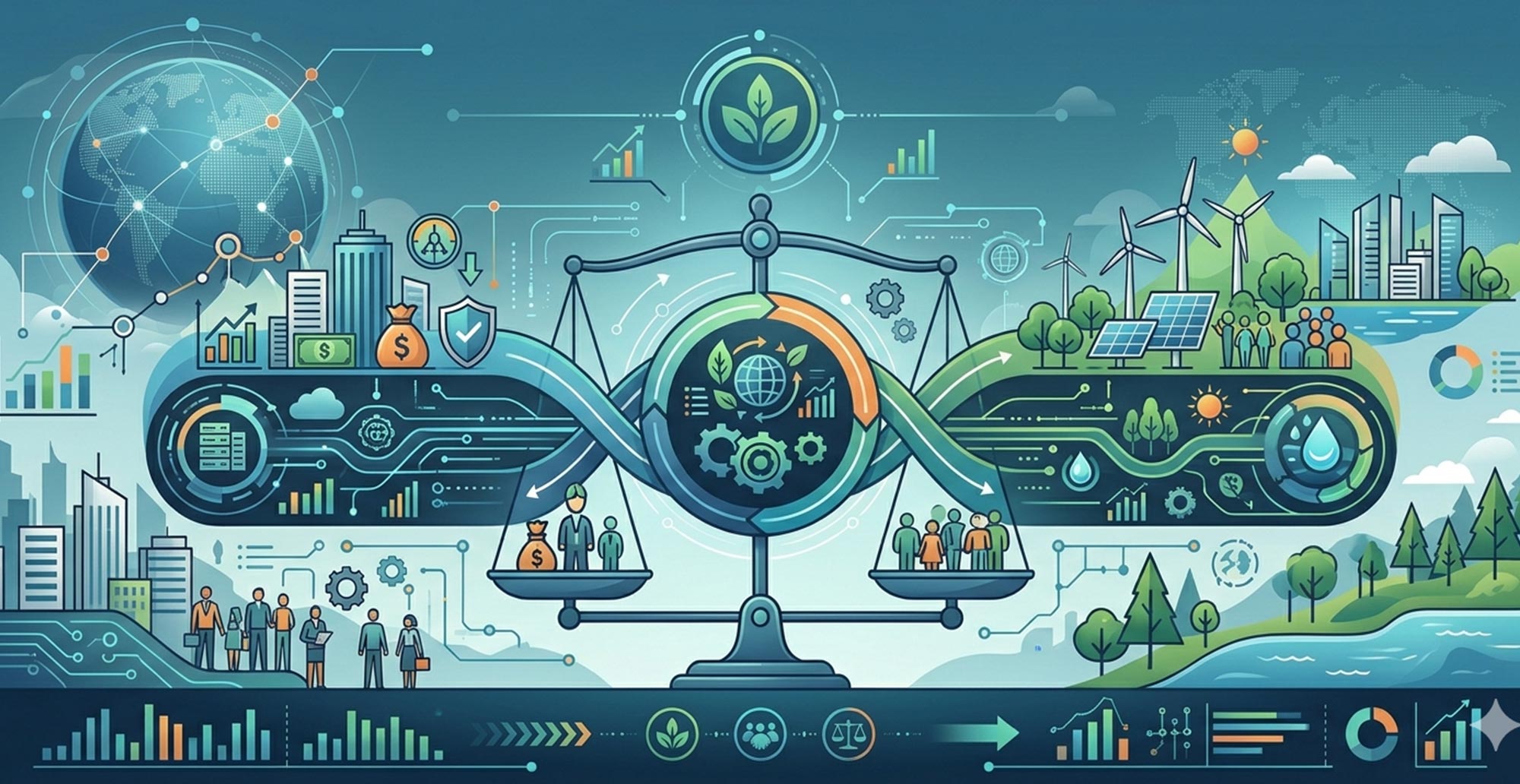
ESG Reporting Has Moved Into the Mainstream
Environmental, Social, and Governance (ESG) reporting has undergone a significant transformation over the past few years. What was once considered a sustainability initiative led by a small group of stakeholders has become a strategic business priority that influences investment decisions, regulatory expectations, corporate reputation, and long-term resilience. Today, organisations are expected to demonstrate measurable progress on environmental impact, social responsibility, and governance performance. Stakeholders want more than broad commitments and sustainability statements. They want evidence, transparency, and accountability. As ESG expectations continue to mature, organisations are discovering that traditional reporting methods are no longer sufficient. The challenge is not simply collecting ESG data. The challenge is managing it effectively, consistently, and at scale.
The Growing Complexity of ESG Reporting
Many organisations still rely heavily on spreadsheets to manage ESG information. While spreadsheets may be familiar and accessible, they become increasingly difficult to manage as ESG programmes grow in complexity. Data often needs to be gathered from multiple departments, locations, systems, and stakeholders. This creates significant challenges around consistency, accuracy, and accountability.
Common ESG reporting challenges include:
- Inconsistent data collection processes
- Manual reporting and data consolidation
- Limited visibility into ESG performance
- Difficulty maintaining audit trails
- Version control issues
- Increased risk of reporting errors
- Limited accountability across teams
As reporting requirements become more detailed and stakeholder scrutiny increases, these challenges can expose organisations to unnecessary risk. What may appear to be a reporting issue often becomes a governance issue.
Why ESG Governance Matters More Than Ever
Successful ESG reporting depends on more than data collection. It depends on governance. Without clear accountability, oversight, and visibility, organisations may struggle to ensure that ESG information is accurate, credible, and aligned with organisational objectives.
Strong ESG governance enables organisations to:
- Establish clear ownership and accountability
- Improve reporting consistency
- Monitor progress against ESG objectives
- Strengthen stakeholder confidence
- Support regulatory compliance
- Improve decision-making
Organisations that treat ESG as a governance function rather than a reporting exercise are often better positioned to respond to changing expectations and emerging risks. This shift is becoming increasingly important as investors, regulators, customers, and business partners place greater emphasis on transparency and measurable performance.
Why Organisations Are Moving Beyond Spreadsheets
As ESG programmes mature, many organisations are recognising that spreadsheets were never designed to support enterprise-wide governance. While they may be useful for basic data management, they often lack the visibility, controls, collaboration capabilities, and reporting functionality required to support modern ESG initiatives. An integrated approach enables organisations to centralise ESG information, improve oversight, and maintain a clearer view of performance across the business. More importantly, it allows ESG activities to be connected with broader governance, risk, and compliance processes. This creates a more holistic approach to accountability and decision-making. The goal is not simply to produce reports. The goal is to create a governance framework that supports sustainable business performance.
How XGRC® Helps Organisations Strengthen ESG Governance
Many ESG solutions focus exclusively on reporting. However, effective ESG management requires more than reporting functionality. ENVIRX® by XGRC® helps organisations manage ESG reporting within a broader governance framework, enabling greater visibility, accountability, and operational oversight. Unlike fragmented approaches that separate ESG activities from governance and risk management processes, XGRC® provides an integrated platform that connects environmental performance, compliance obligations, risk management, and governance activities.
This allows organisations to:
- Centralise ESG information
- Improve reporting accuracy
- Strengthen accountability
- Maintain audit-ready records
- Monitor performance more effectively
- Align ESG initiatives with broader business objectives
By embedding ESG into enterprise governance processes, organisations gain a more sustainable and scalable approach to managing stakeholder expectations and reporting requirements.
ESG Reporting Is No Longer Just About Disclosure
The future of ESG reporting is not simply about producing more reports. It is about providing meaningful, accurate, and transparent information that supports better business decisions. As reporting frameworks evolve and stakeholder expectations continue to increase, organisations will need stronger governance structures to support their ESG commitments. Businesses that continue relying on fragmented reporting methods may struggle to keep pace. Those that invest in integrated governance and accountability will be better positioned to build trust, manage risk, and demonstrate long-term value. Because ultimately, successful ESG reporting is not about ticking boxes. It is about creating confidence in the way an organisation operates.