Compliance Is Becoming More Complex, Not Less
Modern organisations are operating in an environment where compliance requirements continue to expand. From regulatory obligations and internal policies to audits, risk assessments, certifications, and reporting requirements, compliance teams are expected to manage a growing number of responsibilities across increasingly complex business environments.
Yet despite this complexity, many organisations still rely on disconnected systems, spreadsheets, emails, and manual processes to manage compliance activities. While these approaches may work in the short term, they often create significant visibility gaps as organisations grow.
The issue is not that organisations lack compliance processes. The issue is that compliance information is often scattered across multiple departments, systems, and stakeholders, making it difficult to gain a complete view of compliance performance. As compliance expectations continue to evolve, visibility is becoming one of the most valuable assets an organisation can have.
The Hidden Cost of Fragmented Compliance
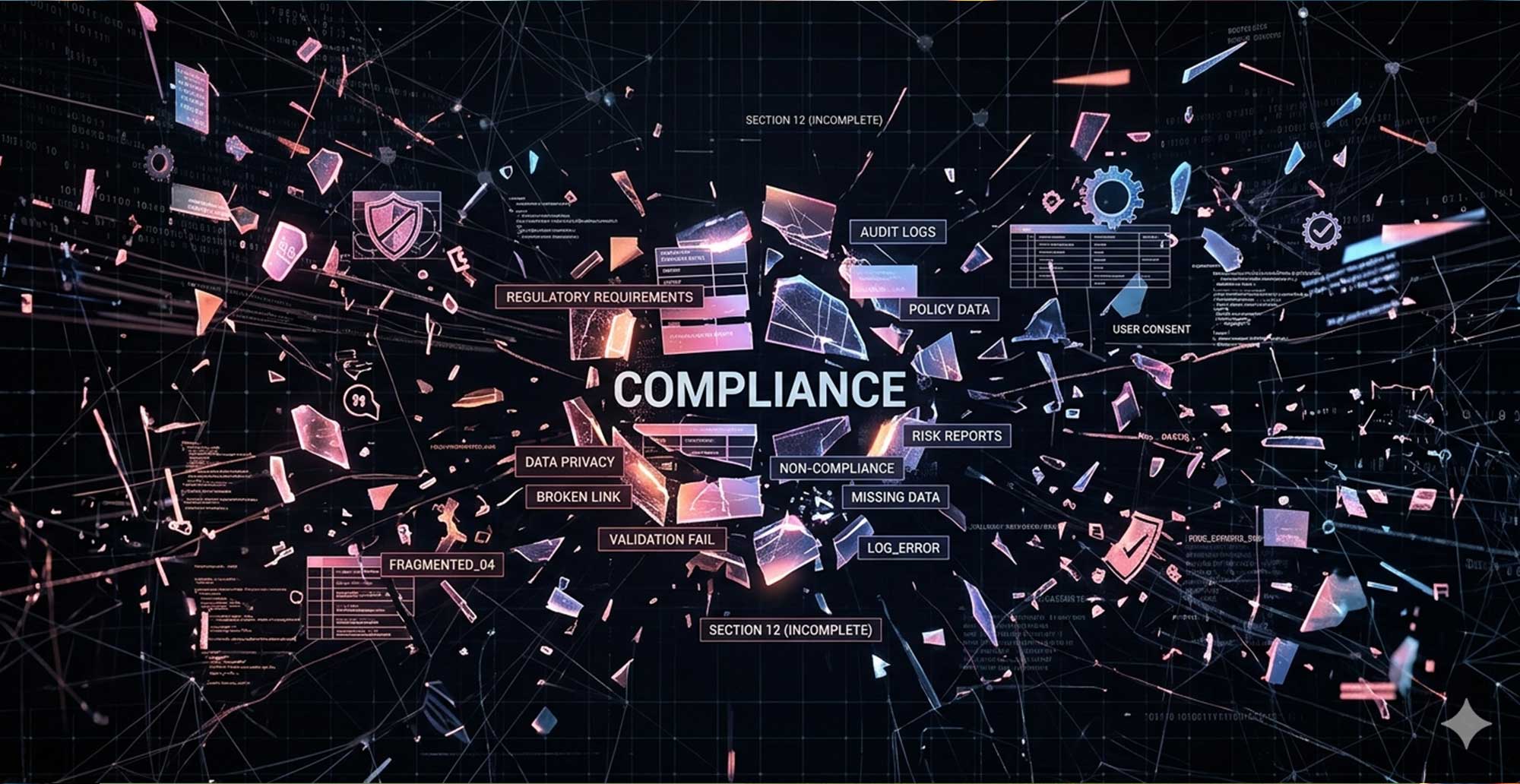
Fragmented compliance does not always create immediate problems. In many cases, the impact develops gradually until organisations find themselves struggling to maintain oversight, accountability, and consistency. When compliance activities are managed across disconnected platforms, organisations often face challenges such as:
- Inconsistent reporting across departments
- Duplicate compliance activities
- Increased administrative workload
- Difficulty tracking actions and deadlines
- Limited visibility into compliance status
- Delayed audit preparation
- Increased risk of non-compliance
Perhaps the most significant challenge is that leadership teams often lack a clear understanding of where compliance risks exist. Without reliable visibility, decision-makers are forced to rely on incomplete information, making proactive compliance management significantly more difficult. What begins as a process issue can quickly become a governance issue.
Why Visibility Is Becoming a Strategic Requirement
Compliance is no longer simply about passing audits. Today, organisations are expected to demonstrate ongoing accountability, operational resilience, and effective governance. Regulators, customers, investors, and stakeholders increasingly expect organisations to understand and manage compliance risks in real time. This requires more than documentation. It requires visibility.
When organisations have a clear view of compliance activities across the business, they can:
- Identify compliance gaps earlier
- Improve accountability across teams
- Monitor obligations more effectively
- Strengthen governance oversight
- Support better decision-making
- Improve audit readiness
Visibility enables organisations to move from reactive compliance management to proactive governance. Rather than responding to issues after they occur, businesses can identify and address risks before they become larger problems.
Why Centralised Compliance Management Matters
As compliance environments become more complex, many organisations are recognising the limitations of fragmented systems. Centralised compliance management provides a more structured approach by bringing compliance activities, documentation, reporting, and accountability into a single environment. Instead of navigating multiple spreadsheets and disconnected systems, organisations can gain a consolidated view of compliance performance across the enterprise. The benefits extend beyond operational efficiency. Centralisation helps create greater consistency, improves collaboration between departments, and provides leadership with more meaningful insights into compliance risks and performance. Most importantly, it creates a stronger foundation for governance. When compliance information is connected, organisations are better positioned to make informed decisions, respond to regulatory changes, and maintain accountability across business operations.
How XGRC® Helps Organisations Eliminate Compliance Silos
Many compliance platforms focus on specific functions or isolated processes. While these solutions may solve individual challenges, they often contribute to the very fragmentation organisations are trying to eliminate. COMPLIANCE HUB® by XGRC® takes a different approach. Rather than managing compliance in isolation, XGRC® provides an integrated governance environment that connects compliance, risk, audit, and operational oversight within a single platform.
This enables organisations to:
- Centralise compliance activities
- Improve enterprise-wide visibility
- Strengthen accountability
- Simplify reporting
- Enhance audit readiness
- Reduce reliance on manual processes
By eliminating silos and improving transparency, organisations gain greater confidence in their ability to manage compliance effectively. The result is not simply better compliance management. It is stronger governance across the organisation.
Visibility Is the Foundation of Effective Compliance
As compliance obligations continue to grow, fragmented processes become increasingly difficult to sustain. Organisations that continue relying on disconnected systems may find themselves struggling with inefficiencies, limited oversight, and unnecessary risk. Those that prioritise visibility, centralisation, and accountability will be better positioned to navigate an increasingly complex compliance landscape. Because effective compliance management is not just about meeting requirements. It is about creating the visibility needed to make better decisions, strengthen governance, and support long-term organisational resilience.